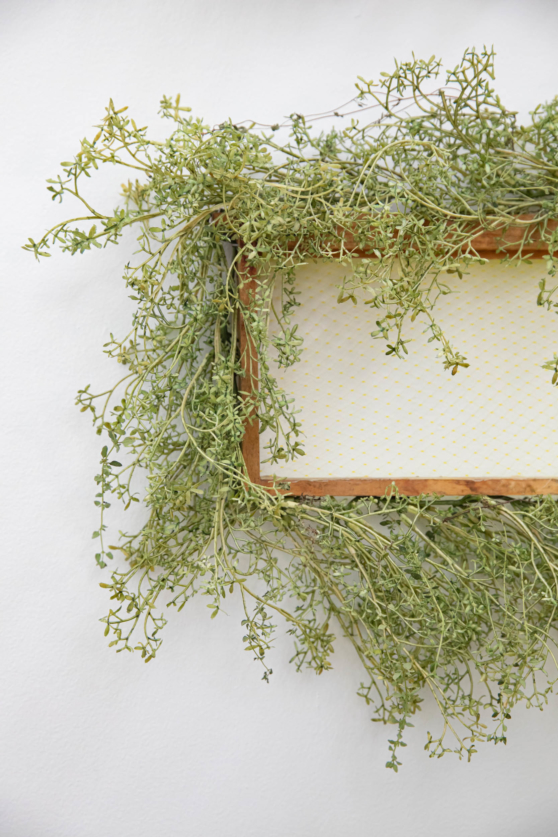
Faira Herod: You stated that what the body loses, an art practice can make visible and transmissible. Has this idea played a role in leading you to create art in response to your chronic illness? How has this act of creating art helped you overcome what you cannot control in your own body? Jocelyn Mathewes: Generally, I make art out of fixation, whether that be from a desire to understand, a fascination, love, or frustrated preoccupation. I make in order...
Read more >THE FOCUS
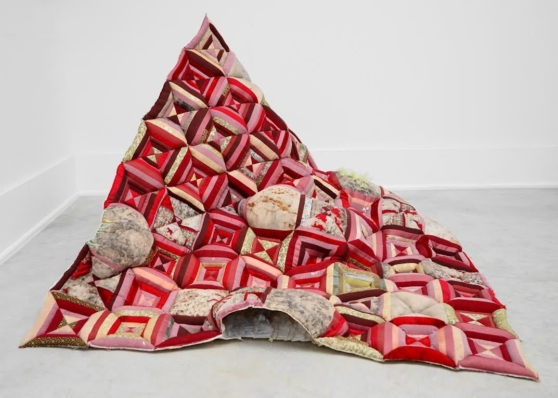
Rachel Bubis: As a Lao refugee and immigrant, you describe how your experience during and post-Vietnam War continues to heavily impact your life and art. You’ve also mentioned that this experience of war shows up as visual fragments, unlike your siblings who remember specific sounds or smells. Why do you think your experience was different? Sisavanh Phouthavong: As the youngest girl of seven, I grew up with four brothers and an older sister. My siblings were always very protective of...
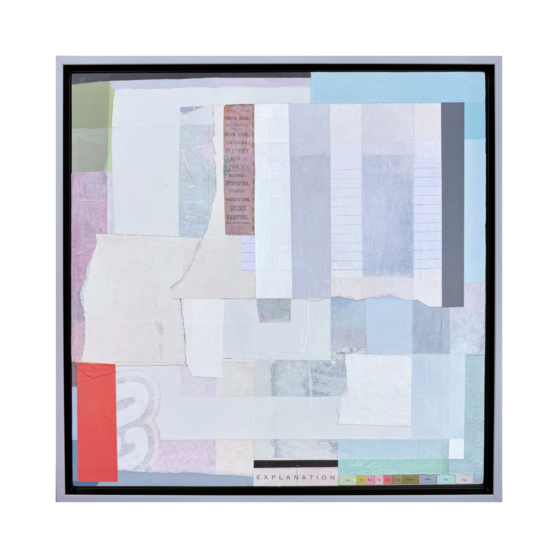
Read more >Rachel Bubis: Your work returns again and again to Southern identity, asking what it means to be Southern. Has the process of making your work changed or clarified that question for you in any way? And looking forward, where do you feel Southern identity is evolving or revealing itself in unexpected ways? Isaiah Kennedy: The South, as an ideological construct, is polylithic in nature, not a monolith. What being Southern means to one person is completely different than what it...
Read more >